Learning by Juggling The Juggling Code – From body to code, from hands to mind
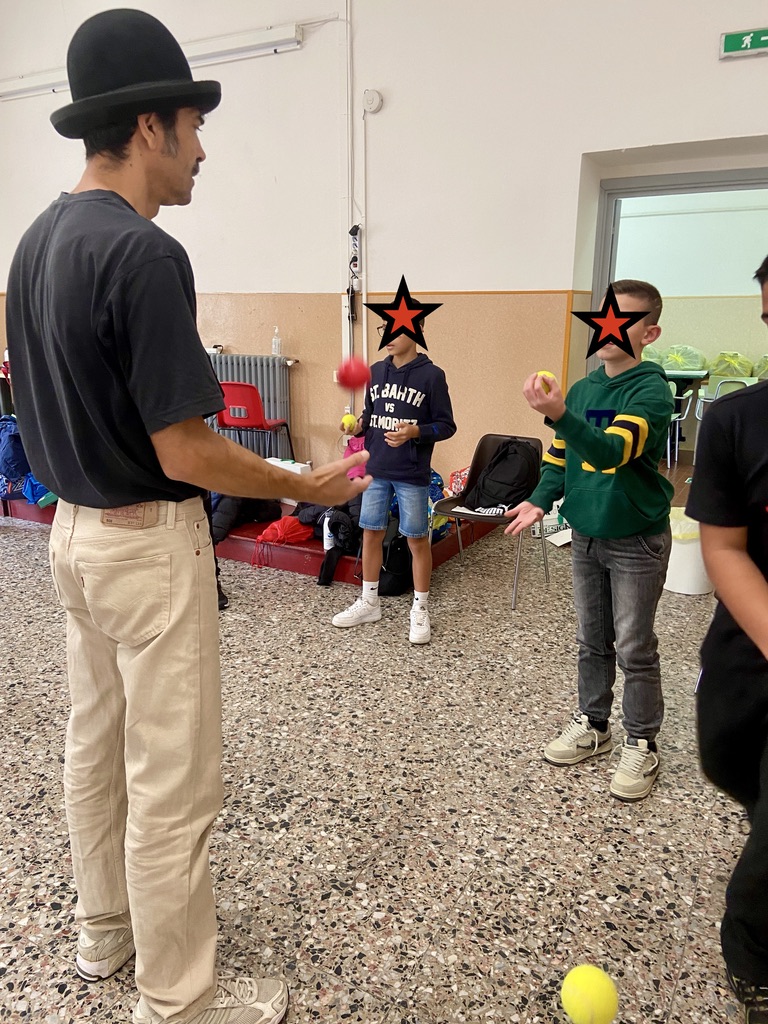
Learning by Juggling is an innovative educational project that combines circus arts, physical movement, and computational thinking to teach STEM in an inclusive, hands-on, and engaging way.
The approach has been successfully implemented through PNRR-funded STEM enhancement programs in several kindergartens and primary schools across the metropolitan area of Cagliari (Italy). The method is active, low-cost, and adaptable: every classroom becomes a space for logic, movement, creativity, and cooperation.
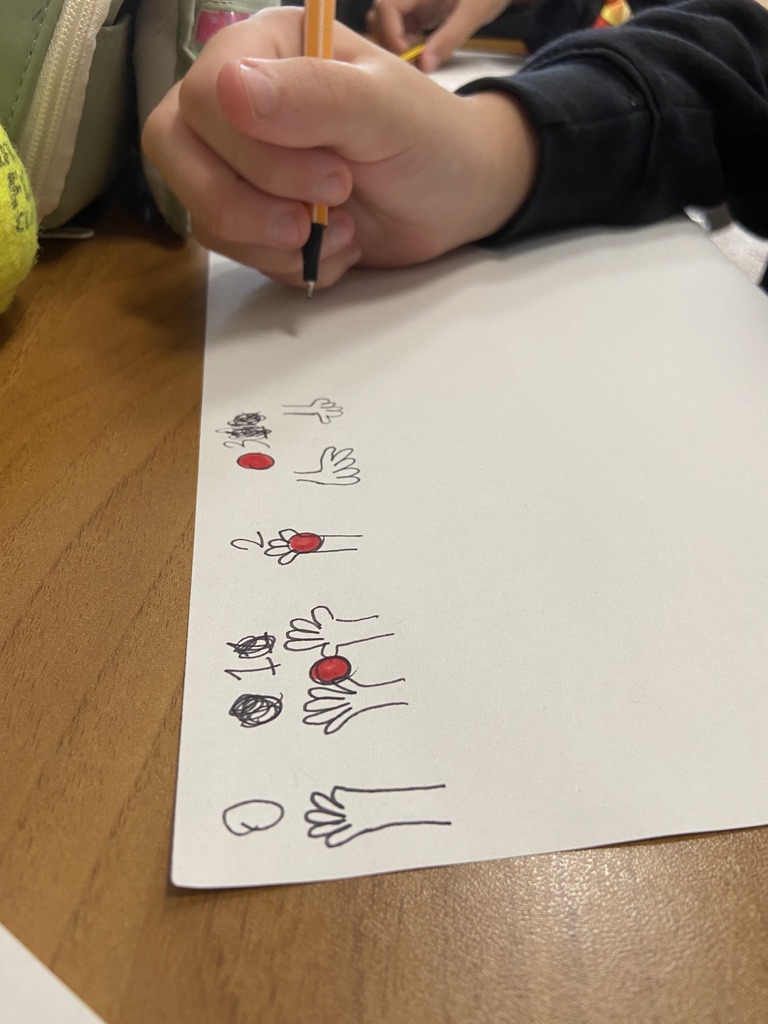
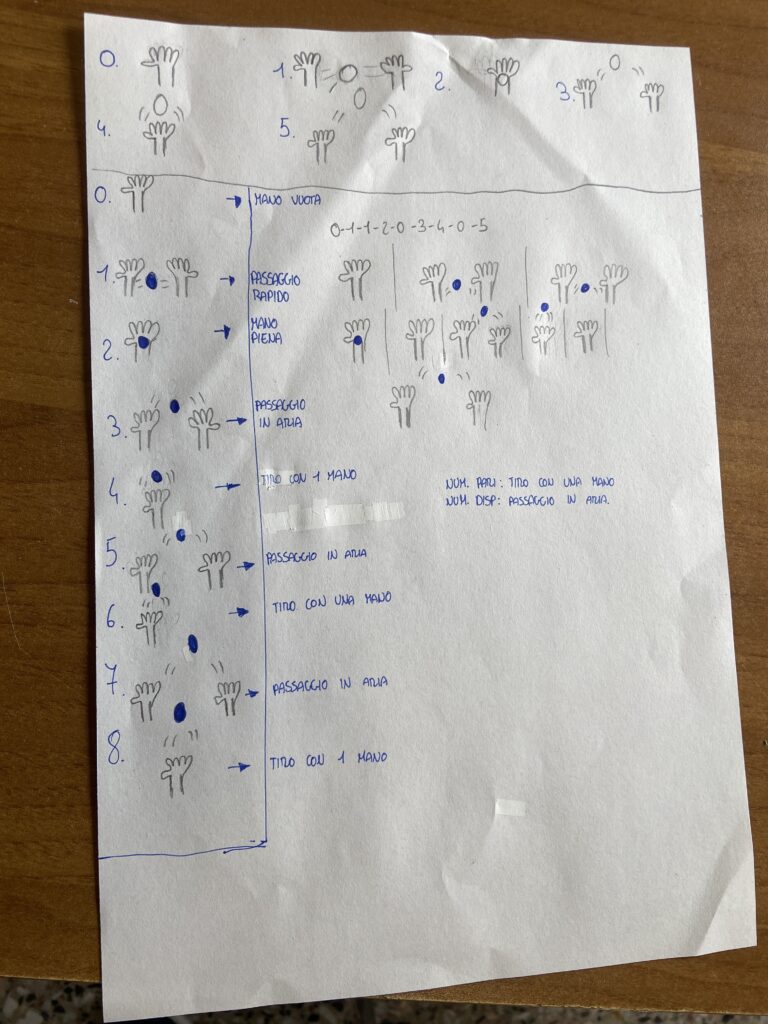
Students learn to “code space” using their bodies. Through symbolic gestures, role-playing, and motion sequences, they embody key concepts of unplugged programming: commands, loops, debugging, conditionals, trajectories, and patterns — all made visible and memorable through the metaphor and practice of juggling.
EducationalObjectives
Introduce and reinforce computational thinking using body-based and cooperative learning tools.
Promote inclusion through playful and differentiated strategies, accessible to all learning styles.
Improve memory, attention, and coordination through rhythmic, visual, and motor exercises.
Encourage autonomy by involving students in rotating roles: designer, executor, observer.
Provide replicable, low-cost educational practices, suitable for a wide range of school contexts and class sizes.
Innovative Content
… to engage audience ….
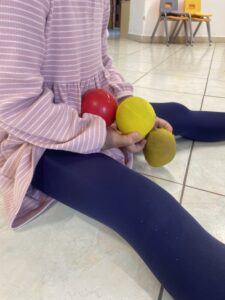
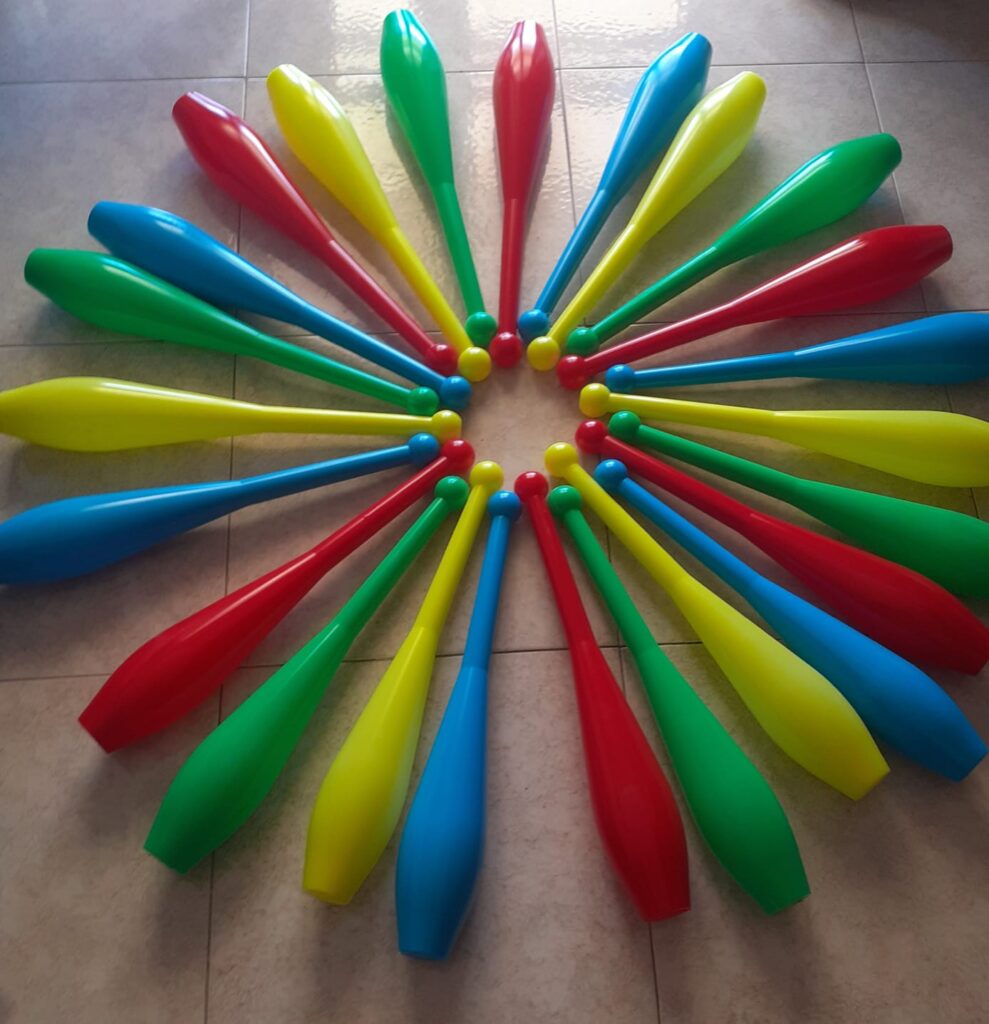
Juggling as code: physical coordination activities are transformed into symbolic coding systems.
Command and execute: students alternate between programmer, robot, and debugger, working in teams with symbol cards.
Floor grids and pathways: the classroom becomes a visual map of commands, loops, and spatial variables.
Algorithmic choreography: each class develops and performs a shared sequence of movements based on logical order.
Inclusive unplugged coding: visual cards, peer-to-peer tasks, body coding, and narrative logic games form the learning toolkit.